Wet Waste.
Hidden Value.
Recover It.
A mobile, decentralized unit that recovers oil, biogas, and compost right at the place organic waste is generated. "Sustainability on Wheels."
Eliminates traditional transport bottlenecks by treating waste at the source, transforming organic waste into 3 valuable outputs.
Current Challenge
Organic waste is hauled away, piled up and lost.
India’s conventional centralized waste management model is logistically inefficient, hazardous, and leads to the total loss of organic resource value.
Transport Delays
High-volume wet waste logistics cause severe traffic, fuel waste, and high transport costs prior to any processing.
Severe Odour & Hazards
Accumulation during transit generates foul odours, public health risks, and attracts stray-animal hazards.
Landfill Dumping
Centralized dumping leads to massive soil and groundwater contamination, releasing harmful methane into the atmosphere.
Lost Organic Value
The rich organic and energy value inside the waste stream is completely destroyed and never recovered.
Three Resource Pathways from One Waste Stream
Transitioning wet waste from a disposal liability into three valuable community and industrial resources.

Oil & High-Value Output
Mechanical Separation
Mechanical separation executed prior to digestion yields usable oil and high-value recoverable resources from suitable waste streams.
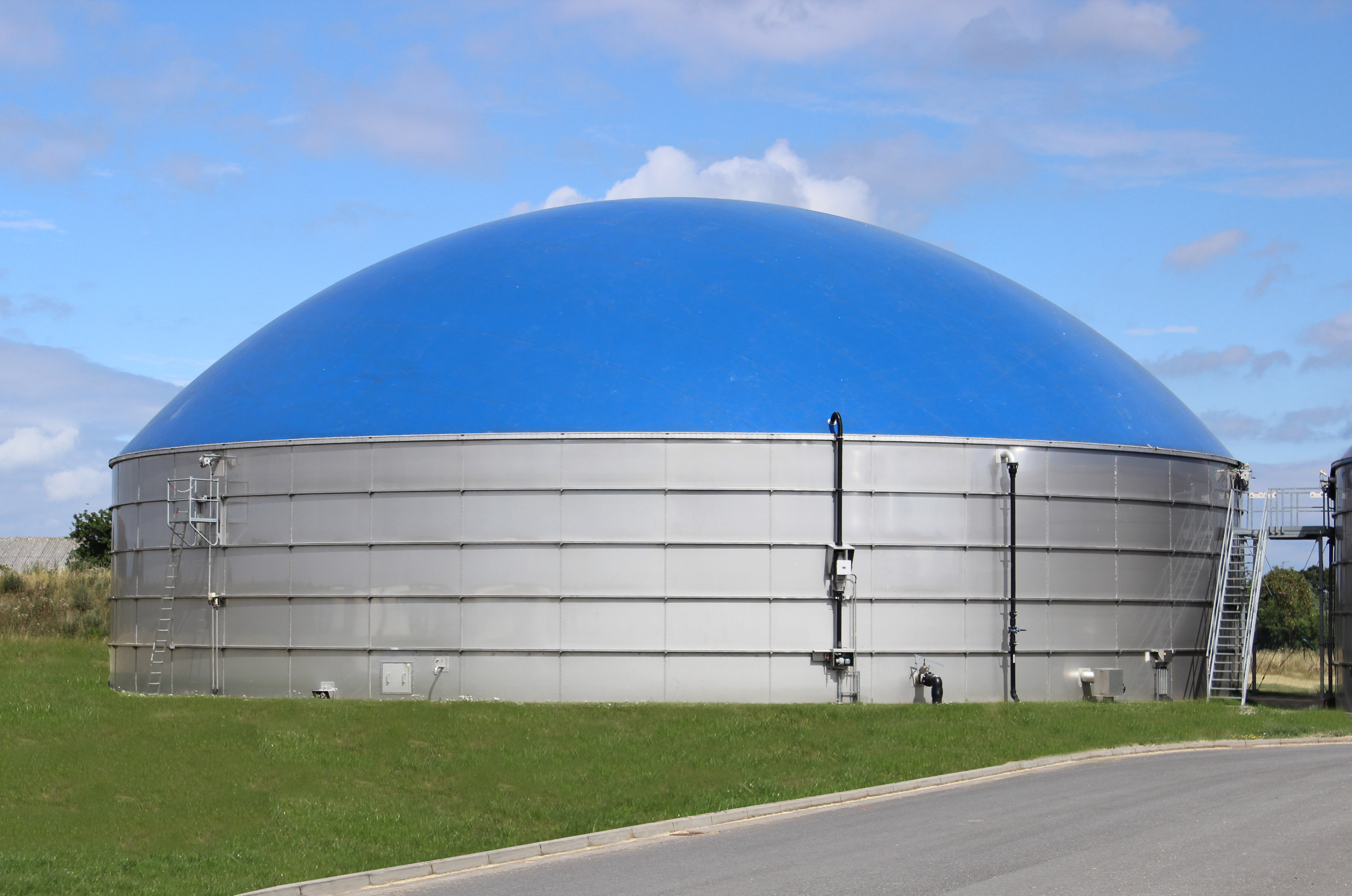
Biogas Energy
Anaerobic Bio-Digestion
Anaerobic bio-digestion turns wet organic matter into clean, renewable biogas energy, providing an efficient LPG equivalent fuel.
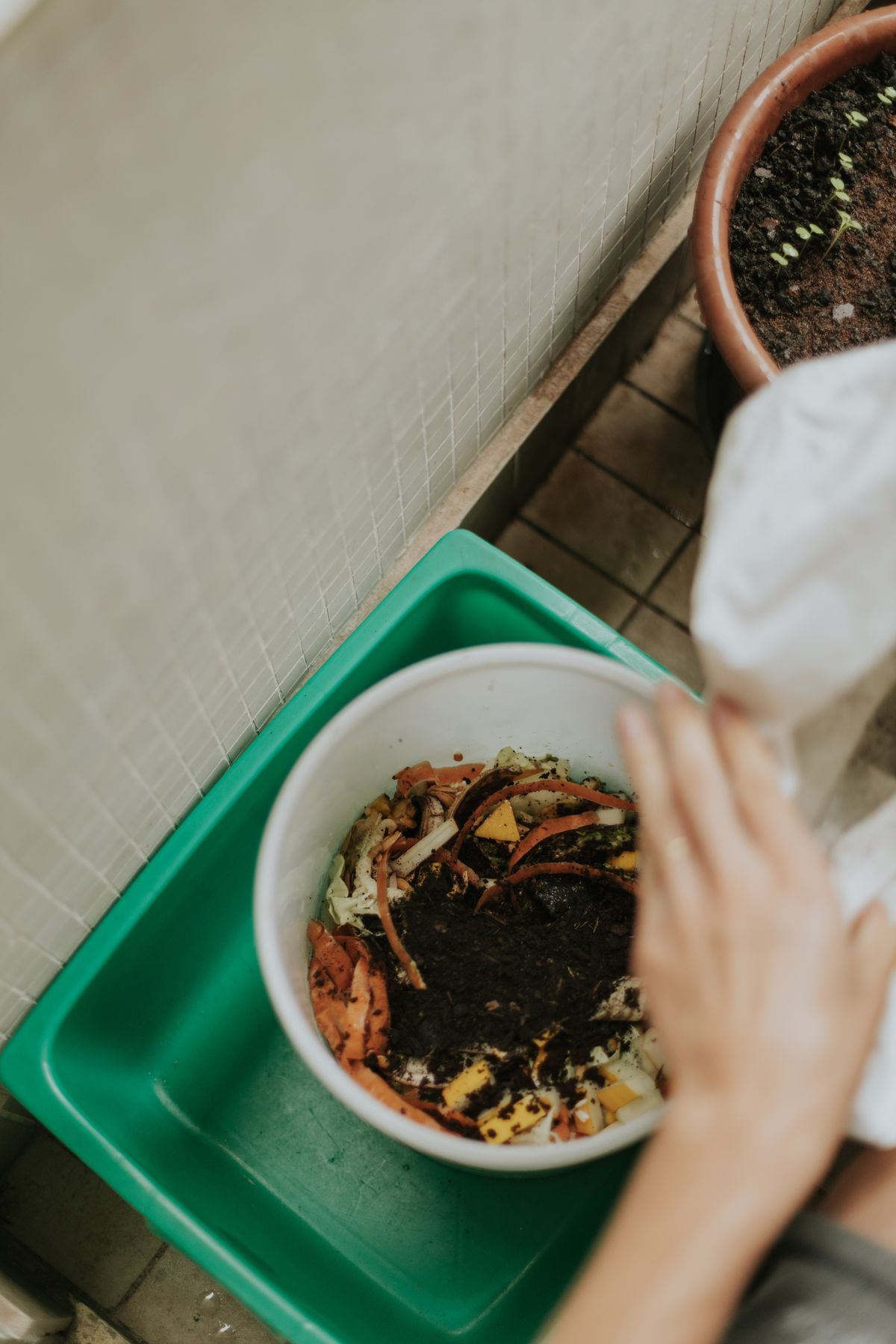
Soil Resources & Compost
Digestate Processing
Processing of remaining digestate converts waste residue into nutrient-rich compost and organic soil revitalizers.
Waste becomes energy. Waste becomes soil. Waste becomes value.
Baikampady Industrial Estate Pilot Project
Located in Mangaluru, this 1-year demonstration unit operates at a capacity of 200 kg/day. The pilot establishes empirical operational data required to validate decentralized recovery.
Estimated Daily Yields (per 200 kg organic waste)
What The Pilot Delivers
-
Hardware Integration: Modular R1, R2, and R3 platform fabrication & site setup.
-
Skill Development: Hands-on operational training for local operators & technical students.
-
Performance Validation: Real-time logging of recovery yields and operational efficiency.
-
Replication Blueprint: Documented findings to guide global decentralized deployment.

Illustrative real photograph of an urban wetland in Bengaluru; not a SMART 3R project-site claim.
Lake Rejuvenation & Circular Community Value
Our future vision includes supporting cleaner, healthier lakes by reducing organic pollution at source and partnering with local communities, institutions and civic bodies.
Work with communities to reduce waste and nutrient loads entering drains and lakes.
Support lake-edge planting, native biodiversity and responsible wetland stewardship.
Build partnerships for cleanup drives, monitoring, awareness and long-term maintenance.
Explore sustainable revenue through CSR partnerships, restoration contracts, compost sales and verified ecosystem-service programmes.
Revenue opportunities are potential future models and would depend on partnerships, project approvals, measured outcomes and applicable regulations.
Pathway to Scale
Demonstrate ➔ Measure ➔ Learn ➔ Improve ➔ Scale
By validating the mechanics and economics of decentralized recovery at Baikampady, we establish a template ready for immediate deployment across high-generation sites.
Future Deployment Targets
Deploy turnkey working mobile unit.
Log real-time yields & efficiency data.
Extract operational insights.
Optimize recovery mechanics.
Scale across sectors globally.
Be Part of the First Step.
Help turn the SMART 3R concept into a scalable working model. Build. Demonstrate. Measure. Learn. Replicate.
Get in Touch
Reach out to learn more about the SMART 3R platform.